

0 item(s)
View cart
You have no items in your shopping cart.

For seniors and people with limited mobility, finding comfortable, restorative sleep can be a daily challenge. Pressure points that develop on hips, shoulders, and the lower back don't just cause discomfort they can lead to serious health complications if left unaddressed. While a new mattress might seem like the obvious solution, mattress toppers offer a practical, cost-effective alternative that can transform sleep quality without the expense and hassle of replacing an entire bed.
Understanding how mattress toppers work for pressure point relief isn't just about comfort it's about maintaining health, independence, and quality of life. The right topper can help prevent pressure ulcers, reduce joint pain, and improve circulation, making it an essential consideration for anyone spending extended time in bed or dealing with age-related changes in skin elasticity and muscle mass.
"Research shows that pressure ulcers affect up to 25% of elderly individuals in long-term care settings, making proper pressure distribution a critical health consideration rather than just a comfort issue."

As we age, our bodies undergo changes that make us more susceptible to pressure-related discomfort and injury. The skin becomes thinner and less elastic, while muscle mass naturally decreases a condition known as sarcopenia. These changes mean there's less natural cushioning between bones and the sleep surface, concentrating pressure on specific points like the hips, shoulders, and tailbone.
People with limited mobility face additional challenges. Extended time in bed, whether due to illness, injury, or disability, means pressure points don't get the regular relief that comes from frequent position changes. This prolonged pressure can restrict blood flow, leading to tissue damage and the development of pressure ulcers or bedsores.
Medical conditions common in seniors, such as diabetes, arthritis, and circulatory disorders, can further complicate matters. Diabetes affects circulation and healing, while arthritis creates stiffness that makes changing positions during sleep more difficult. Understanding these underlying factors helps explain why a standard mattress that once felt comfortable might suddenly seem inadequate.
The good news is that mattress overlays can address many of these issues by redistributing pressure and providing targeted support where it's needed most.
Mattress toppers function by creating an additional layer between your body and the mattress surface. This layer serves several purposes: it redistributes weight more evenly, reduces pressure concentration on bony prominences, and can adjust the overall feel of your sleeping surface without requiring a complete mattress replacement.
The key to effective pressure relief lies in finding the right balance between conforming support and responsive recovery. A topper needs to cradle pressure points while maintaining enough firmness to support proper spinal alignment and make movement easier. Too soft, and you'll sink in so deeply that changing positions becomes difficult a particular concern for seniors who may already struggle with mobility. Too firm, and the pressure points that caused the original problem persist.
Quality mattress toppers work by:
For those dealing with specific mobility challenges, combining a topper with other support and protection products can create a comprehensive sleep system that promotes both comfort and health.
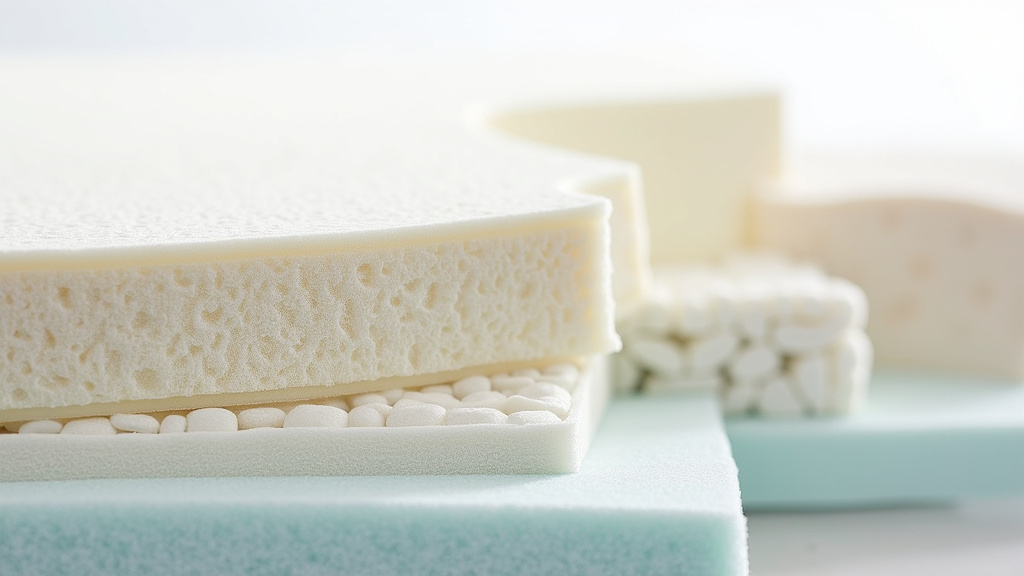
Not all mattress toppers are created equal, and understanding the properties of different materials can help you make an informed choice for your specific needs.
| Material | Pressure Relief | Support | Cooling | Durability | Best For |
|---|---|---|---|---|---|
| Memory Foam | Excellent | Good | Poor to Fair | Good | Severe pressure point pain |
| Gel-Infused Memory Foam | Excellent | Good | Good | Good | Hot sleepers with pressure issues |
| Latex (Talalay) | Very Good | Excellent | Very Good | Excellent | Long-term use, easy movement |
| High-Density Foam | Good | Very Good | Fair | Very Good | Budget-conscious, firm support needed |
| Air-Filled | Adjustable | Adjustable | Excellent | Fair | Customisable pressure relief |
Memory foam excels at conforming to body shape, making it particularly effective for severe pressure point relief. However, traditional memory foam can retain heat and make movement more difficult important considerations for seniors who may already struggle with mobility or temperature regulation.
Natural latex, particularly Talalay latex, offers an excellent balance of pressure relief and responsiveness. It contours to the body while maintaining enough bounce to facilitate easier position changes. Latex is also naturally antimicrobial and highly durable, making it a cost-effective long-term solution.
For those who experience overheating a common issue that can exacerbate discomfort and disrupt sleep gel-infused toppers provide the pressure-relieving benefits of memory foam with improved temperature regulation.
"Medium-firmness toppers in the 2-3 inch range often provide the sweet spot for seniors enough pressure relief without compromising the ability to move easily in bed."
The thickness and firmness of your mattress topper can significantly impact its effectiveness for pressure point relief, particularly for seniors and those with limited mobility.
While thicker might seem better, there's a careful balance to strike:
Bed height is a crucial consideration often overlooked. Adding a thick topper can make it more difficult to get in and out of bed safely, particularly for those using mobility aids or dealing with balance issues. Consider how the additional height will affect transfers and whether you might need bedroom aids to maintain safe bed access.
Medium firmness typically works best for pressure point relief in seniors because it:
Many people believe that the softest possible sleeping surface will provide the best pressure relief, but this isn't necessarily true, especially for seniors and those with limited mobility. Extremely soft toppers can create a "sinking" effect that makes it difficult to change positions during sleep essential for preventing pressure ulcers and maintaining circulation.
Temperature regulation becomes increasingly important with age, as seniors often struggle with thermoregulation. A topper that traps heat can worsen existing aches and pains while disrupting sleep quality. Look for toppers with cooling technologies or naturally breathable materials like latex.
For individuals spending extended time in bed, the topper's ability to maintain its pressure-relieving properties over time is crucial. Cheaper foam toppers may develop body impressions or lose their supportive qualities relatively quickly, potentially creating new pressure points rather than relieving them.
A common concern is whether a topper will make it harder to move independently in bed. The right topper should enhance comfort without compromising mobility. This is where material choice becomes critical latex and high-quality memory foam maintain enough responsiveness to support natural movement.
For additional support during position changes, consider combining your topper with supportive pillows and cushions designed specifically for mobility assistance.
When selecting a mattress topper for someone you're caring for, additional factors come into play that might not be immediately obvious.
Incontinence issues are common among seniors and those with limited mobility. Look for toppers with removable, washable covers, or consider waterproof protectors. Some toppers are designed to work seamlessly with pressure care products that include moisture-wicking and antimicrobial properties.
Consider who will be responsible for maintaining the topper. Heavy toppers can be difficult for elderly individuals or their caregivers to move for cleaning or repositioning. Some manufacturers offer lighter-weight options that don't compromise on pressure relief.
Look for toppers with non-slip bottoms to prevent shifting during use. A topper that moves during sleep can create gaps or uneven surfaces that pose fall risks when getting in and out of bed.
"The best mattress topper for pressure relief is one that balances comfort with functionality it should relieve pressure points without creating new challenges for daily activities."
While many people can successfully choose and use a mattress topper independently, certain situations warrant professional input from healthcare providers or specialists.
Consider consulting with a healthcare professional if:
Occupational therapists can provide valuable insight into how a topper fits into your overall mobility and daily living strategy. Physical therapists can offer guidance on pressure relief techniques and proper positioning that complement your topper choice.
For comprehensive support that goes beyond just sleep comfort, consider how a topper might work alongside other aids. For instance, pairing pressure-relieving sleep surfaces with adjustable beds can create an optimal environment for both comfort and health.
Selecting the right mattress topper involves balancing multiple factors specific to your health, mobility, and personal preferences. Start by identifying your primary concerns is it pressure point pain, difficulty moving in bed, temperature regulation, or a combination of factors?
Consider your living situation and support system. Do you need something that's easy for a caregiver to maintain, or are you managing your sleep environment independently? Will the topper work with your current bed setup, or do you need to consider other modifications?
Budget is also a factor, but remember that a quality topper can be a worthwhile investment in your health and comfort. A topper that provides consistent pressure relief and maintains its properties over time can prevent more serious health issues that would be far more costly to address.
For those exploring comprehensive mobility and daily living solutions, our ultimate guide to disability aids provides valuable information on creating a supportive living environment that promotes independence and wellbeing.
Don't overlook the importance of complementary products. Sometimes the right combination of a topper with other support products creates a more effective solution than any single item alone. Consider how your sleep surface works with your seating options learning about lift chairs improve comfort and independence can help you create consistent pressure relief throughout your day.
A properly chosen topper shouldn't significantly impact your ability to get out of bed. Look for medium-firmness options in the 2-3 inch range that provide pressure relief without excessive sinking. However, any topper will slightly raise your bed height, so consider whether this affects your transfer safety.
If you're experiencing persistent redness, pain that doesn't resolve with position changes, or any signs of skin breakdown, consult a healthcare provider immediately. Prevention is always better than treatment when it comes to pressure ulcers.
Yes, most mattress toppers work well with adjustable beds, but choose materials that can flex with the bed's movement. Latex and thinner memory foam toppers typically adapt better to bed adjustments than very thick or rigid options.
Quality toppers should last 3-5 years with regular use, but monitor them for sagging, loss of support, or permanent body impressions. If the topper is no longer providing adequate pressure relief, it's time for replacement regardless of age.
This depends on the topper material and manufacturer guidelines. Memory foam can be damaged by excessive heat, while some people with reduced sensation may not feel overheating. Always check manufacturer recommendations and consider alternatives like heated mattress pads designed for use with toppers.
The information in this article is for general education only and is not a substitute for personalised medical advice. Always speak to your healthcare provider before making changes to your treatment plan.
 Ruby Lou May